
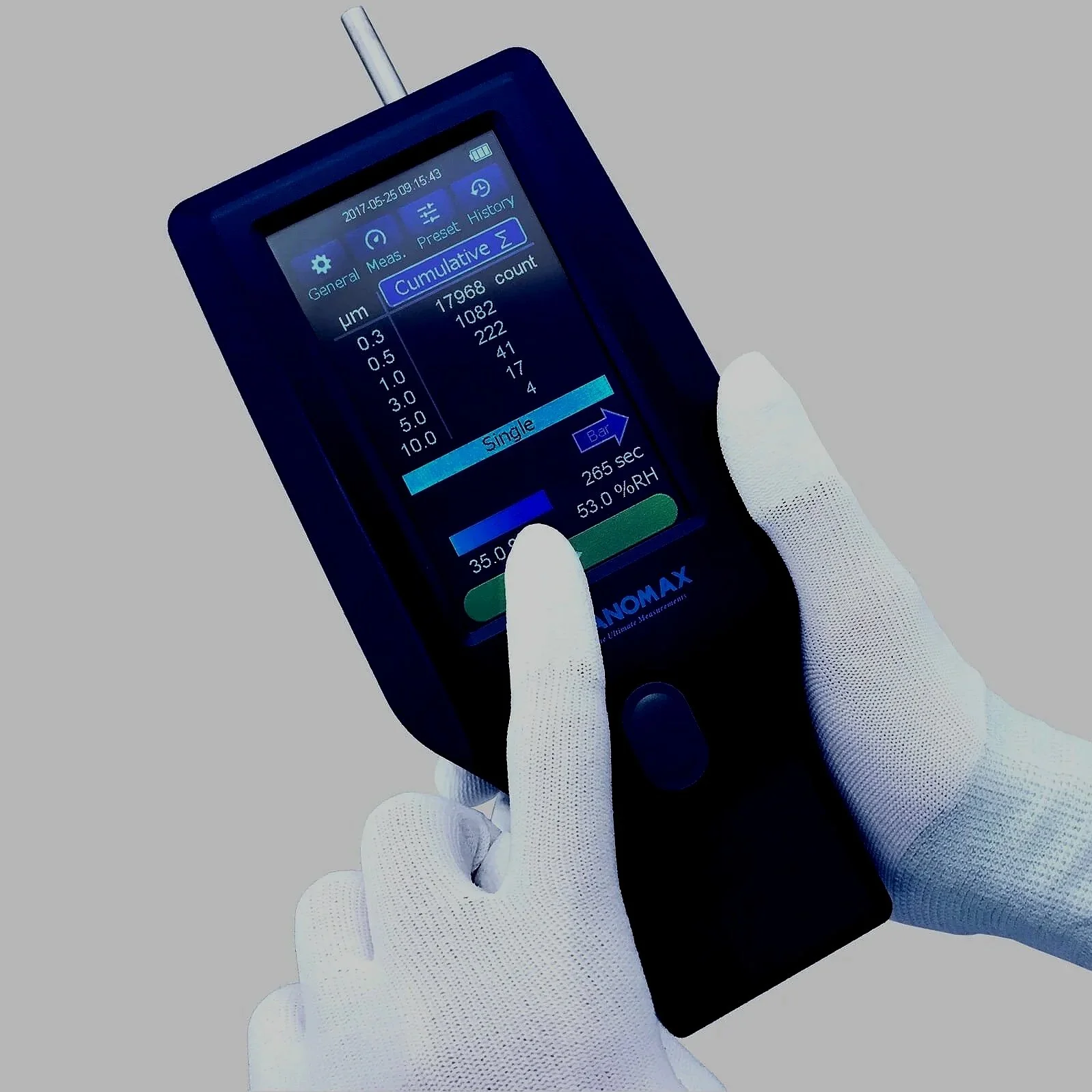
PARTICULATE MATTER COUNTING
What is Particulate Matter Counting (measuring)?
Particulate Matter (PM) refers to a mixture of tiny solid and liquid particles suspended in the air. It is classified by size:
PM2.5 – Fine particles smaller than 2.5 micrometers that can penetrate deep into the lungs and even enter the bloodstream.
PM10 – Coarse particles between 2.5 and 10 micrometers in diameter.
Where Does PM Come From?
Particulate matter originates from both outdoor and indoor sources, including:
Indoor – Cooking fumes, tobacco smoke, pet dander, mould spores, wood-burning stoves, and during construction and renovation processes.
Outdoor – Vehicle emissions, industrial processes, wildfires, and natural dust or pollen.
Health Effects of PM Exposure
Exposure to particulate matter, especially PM2.5, can significantly impact health:
Respiratory effects – Irritation, coughing, wheezing, shortness of breath.
Chronic conditions – Worsening of asthma, COPD, and other respiratory illnesses.
Cardiovascular risks – Long-term exposure is linked to heart attacks, strokes, and other cardiovascular diseases due to inflammation and oxidative stress.
Our Role at Envirotrak Analytics Ltd.
Serving the Toronto GTA and surrounding regions. As Certified Indoor Air Quality Test Technicians (CIAQTTs), Envirotrak Analytics provides comprehensive assessments to:
Measure (count) and identify particulate matter levels indoors.
Pinpoint potential sources contributing to PM exposure.
Compare findings against Health Canada guidelines and industry best practices.
Provide actionable recommendations to reduce risks and improve indoor air quality.
Who Benefits?
From homes to commercial, industrial, and healthcare facilities, monitoring and controlling particulate matter is essential for protecting both occupant health and building performance.